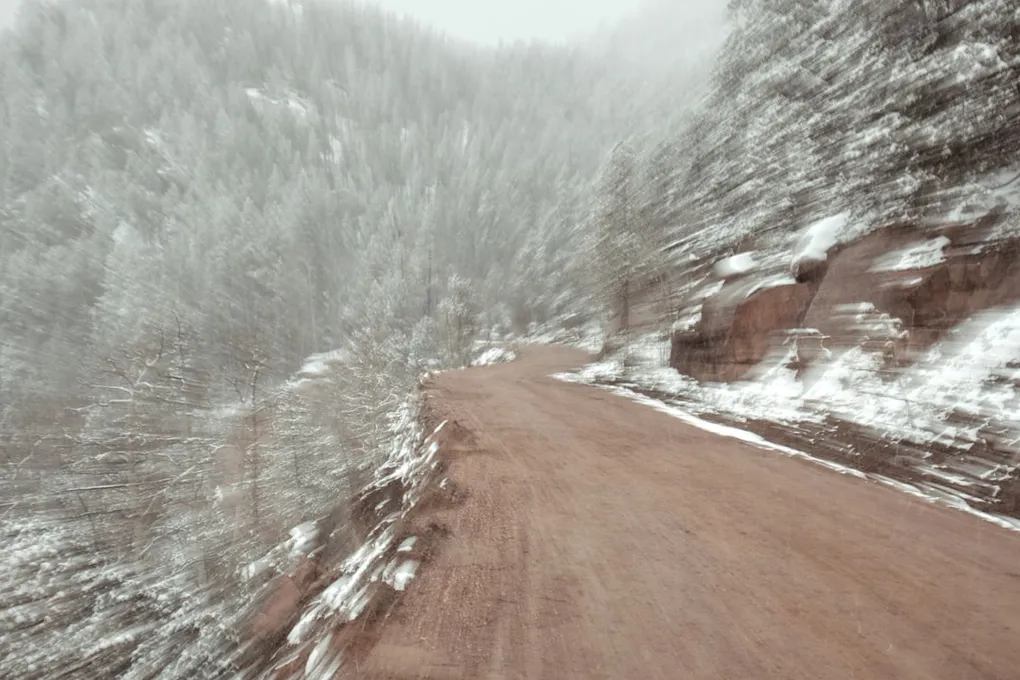
Montana weather is unpredictable—75°F sunshine one day, subzero wind chills the next. These dramatic temperature swings can wreak havoc on your vehicle if you’re not prepared. From frozen fluids to dead batteries, many winter breakdowns happen because drivers underestimate how quickly conditions can shift across the state.
This guide covers the essential steps for vehicle preparation and winter maintenance to keep your car reliable in Montana’s challenging climate.
Why Montana Weather Is Tough on Vehicles
Rapid temperature changes stress every part of a vehicle—fluids thicken, rubber hardens, batteries weaken, and sensors become unreliable. Areas like Great Falls, Helena, and Billings often see 40–60° swings within days, while mountain regions can drop below zero even when valleys remain mild.
Proper preparation reduces wear and keeps your vehicle ready for anything Montana’s weather can deliver.
1. Check and Replace Fluids Before the Deep Cold
Engine Oil
Use oil rated for low temperatures (often synthetic 5W-30 or 0W-20) to keep it flowing during subzero mornings. Synthetic oils maintain viscosity better than conventional oils in extreme cold, ensuring proper lubrication from the moment you start your engine.
When to change: Before temperatures consistently drop below freezing, typically late October or early November in most of Montana.
Antifreeze/Coolant
Ensure your coolant mixture protects to at least –40°F, a temperature Montana can reach during Arctic outbreaks. A 50/50 mix of antifreeze and water typically provides protection to -34°F, but you may want a stronger mixture for extreme cold areas.
How to check: Use an antifreeze tester (available at any auto parts store) to verify your coolant’s freeze protection level.
Windshield Washer Fluid
Swap for a winter-grade formula that won’t freeze at highway speeds. Summer formulas can freeze in the reservoir and lines, leaving you unable to clear your windshield when you need it most.
Look for: Formulas rated to -20°F or lower, widely available at Montana gas stations and auto parts stores.
2. Test Your Battery Before Winter Hits
Cold weather reduces battery performance by nearly 40%. A battery that starts your car easily in summer may fail completely at -20°F. Have your battery load-tested at an auto parts store (usually free), especially if it’s older than 3 years.
Signs it needs replacement:
- Slow cranking when starting
- Dimming lights at start
- Corrosion on terminals
- Battery case is swollen or cracked
- Battery is older than 4-5 years
Pro tip: Clean battery terminals of corrosion using a wire brush and baking soda solution. Even minor corrosion can prevent proper charging and starting.
A healthy battery is one of the most important pieces of winter preparation. Replacing a marginal battery in fall prevents getting stranded on a subzero morning.
3. Inspect Tires and Consider Winter Tires
All-season tires lose significant grip once temperatures fall below 45°F. For Montana roads—where snow, ice, and black ice are common—dedicated winter tires are a major safety upgrade providing 25-50% better traction in winter conditions.
Check:
- Tread depth: Minimum 5/32” for winter driving (use the penny test—insert Lincoln’s head upside down; if you can see the top of his head, replace the tires)
- Tire pressure: Drops 1 PSI for every 10°F decline in temperature. Check and adjust pressure monthly during winter
- Spare tire condition: Ensure your spare is properly inflated and in good condition
Winter tire benefits:
- Remain flexible in cold temperatures
- Deeper tread patterns channel snow and slush
- Special rubber compounds grip ice better
- Shorter stopping distances on all winter surfaces
4. Protect Your Engine From Extreme Cold
Block Heaters
Essential for places like Great Falls, Cut Bank, and Havre where temperatures regularly drop below zero. Block heaters warm the engine coolant, making starting easier and reducing engine wear.
When to plug in: At 0°F or colder for easier starts and reduced engine wear. Plug in 2-4 hours before starting for optimal results. Many Montanans use plug-in timers to avoid running heaters all night.
Installation: Most vehicles can have block heaters installed aftermarket for $100-200, a worthwhile investment for Montana winters.
Battery Warmers or Blankets
Helpful if parking outside overnight, especially in extremely cold areas. Battery blankets wrap around your battery and keep it warm enough to maintain proper charging and starting capacity.
Synthetic Fluids
Resist thickening during rapid temperature drops. Consider synthetic transmission fluid, differential fluid, and power steering fluid for better cold-weather performance.
5. Keep an Emergency Winter Kit Inside the Vehicle
Montana highways can be isolated, and weather can change quickly. Even short trips across town can become dangerous during a severe cold snap or blizzard. Pack:
Warmth and Protection:
- Insulated gloves, hats, and scarves
- Heavy blankets or sleeping bag
- Extra warm clothing layers
- Hand and foot warmers
Vehicle Essentials:
- Ice scraper and snow brush (heavy-duty)
- Jumper cables or portable jump pack
- Tow strap or chain
- Sand or kitty litter for traction
- Small shovel (folding models work well)
- Flares or reflective triangles
Survival Items:
- Flashlight and extra batteries (LED recommended)
- First-aid kit
- Nonperishable snacks and water
- Phone charger (12V and battery pack)
- Matches or lighter in waterproof container
- Whistle for signaling
Optional but Recommended:
- Road atlas (for when GPS fails)
- Duct tape and basic tools
- Spare fuses
- Tire chains (if traveling mountain passes)
6. Maintain Visibility and Exterior Components
Wipers
Replace old wipers with winter-rated blades that won’t freeze to your windshield. Winter wiper blades have rubber boots that prevent ice buildup on the blade mechanism.
When to replace: If wipers streak, chatter, or miss spots, replace them before winter. Most wipers should be replaced every 6-12 months.
Lights
Check all headlights, brake lights, and turn signals—short days and blowing snow reduce visibility dramatically. Clean headlight lenses if they’re cloudy or yellowed, as this significantly reduces light output.
Montana law: Headlights must be on whenever wipers are required, and during limited visibility conditions.
Door Seals & Locks
Use silicone lubricant spray on door seals to prevent freezing and sticking during cold snaps. Spray lock cylinders with dry lubricant to prevent ice formation inside the lock mechanism.
Never use: WD-40 on rubber seals—it can dry them out over time. Use silicone spray designed for automotive rubber.
7. Know the Unique Challenges of Montana Weather
Montana’s terrain and climate create extreme driving conditions that differ from other cold-weather states:
Chinook Warm-Ups: These sudden warm winds can melt snow quickly, then temperatures plunge overnight creating treacherous black ice conditions. Be especially cautious the morning after a chinook event.
High Winds: Montana’s open terrain creates strong winds that cause drifting snow, reduced traction, and dangerous crosswinds on highways. High-profile vehicles (SUVs, trucks with campers) are particularly vulnerable.
Valley Inversions: Cold air becomes trapped in valleys beneath warmer air, creating persistent fog, icy roads, and temperatures significantly colder than surrounding areas. Missoula, Butte, and the Flathead Valley frequently experience inversions.
Mountain Passes: Intense temperature drops and sudden storms can close passes without warning. Always check road conditions before traveling mountain highways, and never attempt pass crossings during winter storms.
8. Stay Ahead With Preventive Maintenance
A professional winter checkup can catch issues before they become emergencies. Schedule a complete inspection in late September or early October. Ask your mechanic to inspect:
Critical Systems:
- Belts and hoses (cold makes rubber brittle)
- Brake pads, rotors, and fluid
- Exhaust system (leaks are dangerous in winter)
- Steering and suspension components
- 4WD/AWD systems (engage monthly to keep components lubricated)
Cabin Comfort:
- Heater and defroster operation
- Cabin air filter replacement
- Thermostat function
Many winter breakdowns are preventable with early attention to these systems.
Montana-Specific Winter Driving Tips
Slow Down: Montana’s speed limits are designed for ideal conditions. In winter, reduce speed significantly, especially on bridges and overpasses which freeze first.
Increase Following Distance: Allow 3-4 times the normal following distance on snowy or icy roads.
Avoid Cruise Control: Never use cruise control on potentially slippery roads. You need full control to respond to changing conditions.
Know Your Vehicle: Understand whether you have front-, rear-, or all-wheel drive, and how your vehicle handles in winter conditions. Practice controlled braking and turning in an empty parking lot after the first snow.
Travel Prepared: Tell someone your route and expected arrival time. Carry a full tank of gas when traveling between towns—Montana has long distances between services.
When to Stay Home
Sometimes the best vehicle preparation is deciding not to drive. Stay off the roads when:
- Blizzard warnings are in effect
- Visibility is less than 1/4 mile
- Temperature is below -30°F (even with preparation, extreme cold creates risks)
- Road conditions are reported as “closed” or “no travel advised”
- Your vehicle isn’t properly prepared for conditions
Montana Highway Patrol and local sheriff’s departments regularly post road condition updates. When they advise against travel, listen.
Conclusion
Montana’s weather is beautiful but demanding. Proper vehicle preparation and winter maintenance ensure your car stays dependable through drastic temperature swings, deep cold snaps, and fast-changing conditions.
With a little planning—testing your battery, switching to winter fluids, checking your tires, and packing an emergency kit—you’ll stay safer and save money throughout the entire winter season. Your vehicle is your lifeline during Montana winters; treat it accordingly.
Don’t wait for the first major cold snap to prepare. Start your winter vehicle maintenance in early fall, and you’ll be ready for whatever Big Sky Country throws at you.
Track temperature swings and winter storm warnings at BigSkyWeather.com with real-time weather alerts, road condition reports, and hourly forecasts to help you plan safe travel across Montana’s challenging winter landscape.